Chinese tech giant Xiaomi is reportedly preparing a major upgrade to its smartphone technology strategy. The company is planning to refresh its in-house smartphone processors every year and also expand its AI assistant to global markets, according to recent reports from the Mobile World Congress 2026.
This move could strengthen Xiaomi’s position in the global smartphone market as it competes with industry leaders like Apple and Google, both of which already use their own custom chips in flagship devices.
Xiaomi’s Plan for Annual Smartphone Chip Updates
Xiaomi President Lu Weibing reportedly revealed that the company is working on its next-generation in-house smartphone chip, which could arrive in 2026.
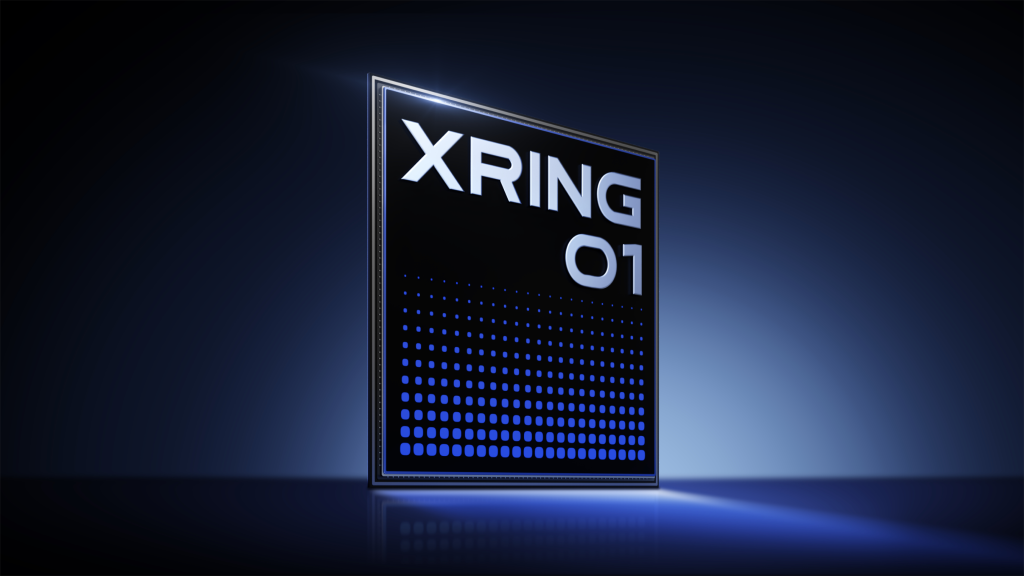
This new chip will follow the company’s first modern in-house processor, the XRing O1, introduced in 2025.
Key details of Xiaomi’s chip strategy include:
- Xiaomi may launch a new smartphone processor every year
- Future chips could power global Xiaomi smartphones, not just Chinese models
- The company sees chip development as a long-term strategic investment
- Focus will be on better performance and energy efficiency
The XRing O1 chip, built using TSMC’s 3nm manufacturing process, debuted in devices like the Xiaomi 15S Pro and Xiaomi Pad 7 Ultra.
Xiaomi’s Global AI Assistant Strategy
Alongside its chip development plans, Xiaomi is also preparing to expand its AI assistant globally.
Currently, Xiaomi’s AI assistant Xiao AI is mainly available in China and works across Xiaomi’s ecosystem including:
- Smartphones
- Smart home devices
- Wearables
- Connected gadgets
However, the company now wants to launch an international AI assistant that can support users outside China.
This AI assistant could integrate with multiple Xiaomi products, creating a connected ecosystem similar to Apple’s Siri and Google Assistant.
Xiaomi’s Bigger Global Technology Vision
Xiaomi’s plans go beyond smartphones. The company is also expanding into new sectors such as electric vehicles (EVs).
Reports suggest Xiaomi may launch its electric vehicles in Europe around 2027, with AI technology playing an important role in its ecosystem of products.
With its own chips, AI assistant, smartphones, smart devices, and future EVs, Xiaomi is aiming to build a complete global tech ecosystem.
What This Means for Smartphone Users
If Xiaomi successfully launches yearly chip upgrades and global AI services, users could benefit from:
- Faster and more efficient smartphones
- Better AI features and voice assistants
- Improved integration between devices
- More competitive flagship smartphones
This strategy could help Xiaomi compete more strongly with companies that already control both hardware and software ecosystems.
In summary, Xiaomi’s push toward annual chip development and global AI expansion shows the company’s ambition to become a stronger global technology player. If these plans move forward as expected, Xiaomi smartphones in the coming years could feature more powerful processors and smarter AI-driven experiences worldwide.